Misleading Information About Battery Suppliers
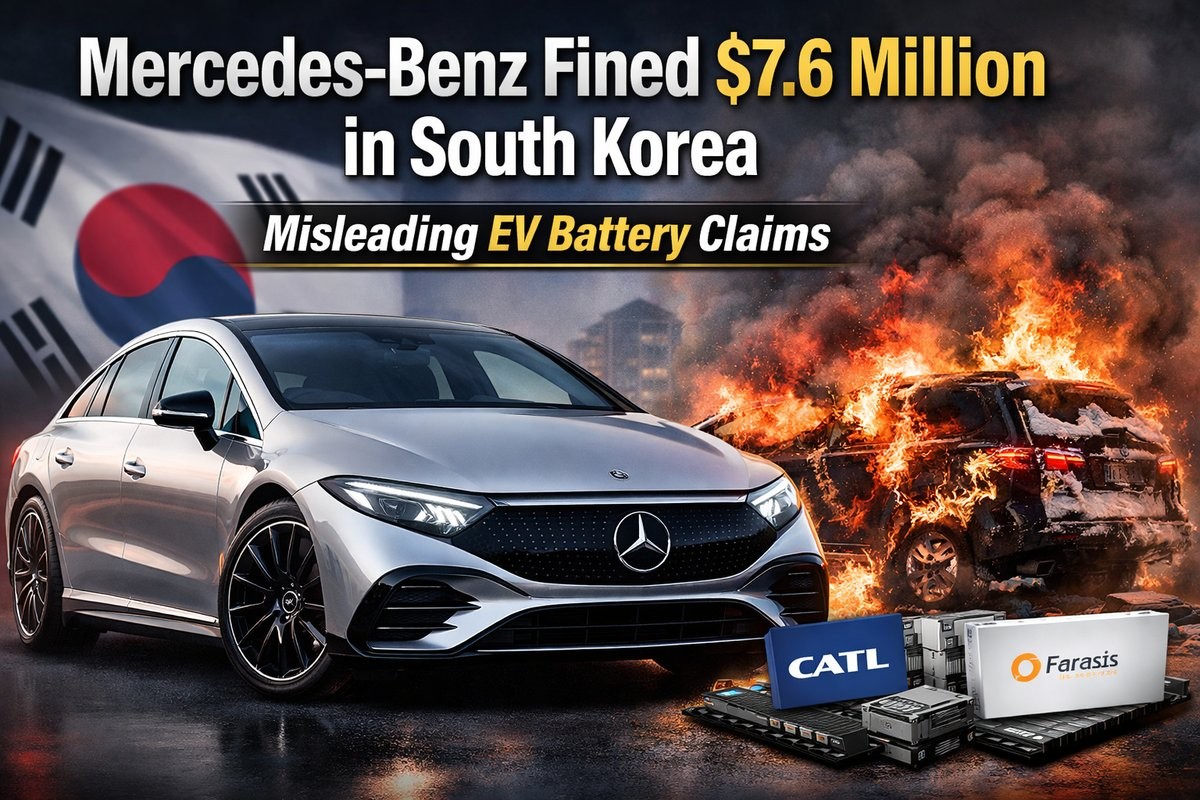
nnAccording to the FTC’s findings, Mercedes-Benz Korea promoted several electric vehicle models as being equipped with batteries supplied by CATL, which is currently the world’s largest producer of EV batteries.nnHowever, regulators discovered that some of these vehicles were actually fitted with battery cells supplied by Farasis Energy.nnAuthorities found that the company distributed **internal sales manuals and marketing materials** to dealerships highlighting the advantages of CATL batteries, including references to the supplier’s global leadership and advanced technology.nnHowever, the documents reportedly did not mention Farasis batteries, even though some vehicles sold in the market were equipped with them. As a result, many dealers themselves were unaware of the change in battery suppliers and continued promoting the vehicles as having CATL batteries when speaking to customers.nnRegulators concluded that this practice misled consumers and violated fair trade regulations.nnn
Battery Fire Incident Sparked Investigation
nnThe issue gained significant attention after a battery fire involving an EQE electric sedan occurred in **August 2024 in Incheon, South Korea.nnThe vehicle, which was parked in the underground parking facility of a residential apartment complex, caught fire and caused extensive damage. Investigators later confirmed that the vehicle involved in the incident was equipped with a battery supplied by Farasis Energy.nnThe fire reportedly resulted in more than 100 nearby vehicles being damaged or destroyed, and residents of the building had to be evacuated due to safety concerns and smoke spreading through the structure.nnFollowing the incident, South Korean regulators launched a detailed investigation into battery safety, supplier transparency, and marketing claims related to electric vehicles sold by Mercedes-Benz Korea**.nnn
Thousands of Vehicles Potentially Affected
nnAuthorities estimate that Mercedes-Benz Korea sold approximately 3,000 electric vehicles equipped with Farasis batteries between June 2023 and August 2024.nnThe total value of these vehicle sales is estimated to be around 281 billion won (approximately $214 million).nnUnder South Korean competition law, regulators have the authority to impose fines of up to 4% of the relevant sales revenue in cases involving unfair trade practices or misleading marketing.nnThe FTC stated that it imposed the maximum penalty allowed under the law due to the seriousness of the case, particularly because it involved consumer safety concerns linked to EV battery technology.nnIn addition to the financial penalty, regulators have ordered Mercedes-Benz Korea to:nn* Correct its marketing materialsn* Provide accurate information about battery suppliersn* Improve transparency regarding EV battery componentsnnThe case has also been **referred to prosecutors for further investigation**, which could potentially lead to additional legal consequences.nnn
Mercedes-Benz Responds to the Ruling
nnMercedes-Benz Korea has responded by stating that it respects the decision of the Fair Trade Commission, but disagrees with the conclusions reached by the regulator.nnThe company said it plans to review the decision carefully and pursue legal options, including filing an administrative lawsuit to challenge the ruling.nnMercedes-Benz also emphasized that it remains committed to maintaining high standards of safety, transparency, and product quality across its electric vehicle lineup.nnn
Growing Global Scrutiny on EV Battery Transparency
nnThe case highlights the increasing regulatory scrutiny surrounding electric vehicle battery supply chains, particularly as EV adoption accelerates around the world.nnBattery technology plays a critical role in determining:nn* Vehicle safetyn* Driving rangen* Charging performancen* Long-term reliabilitynnAs a result, regulators in many countries are placing greater emphasis on transparency regarding battery suppliers, safety testing, and manufacturing standards.nnIndustry analysts believe that cases like this could lead to stricter disclosure rules for EV manufacturers globally, especially as electric vehicles become more common in major automotive markets.