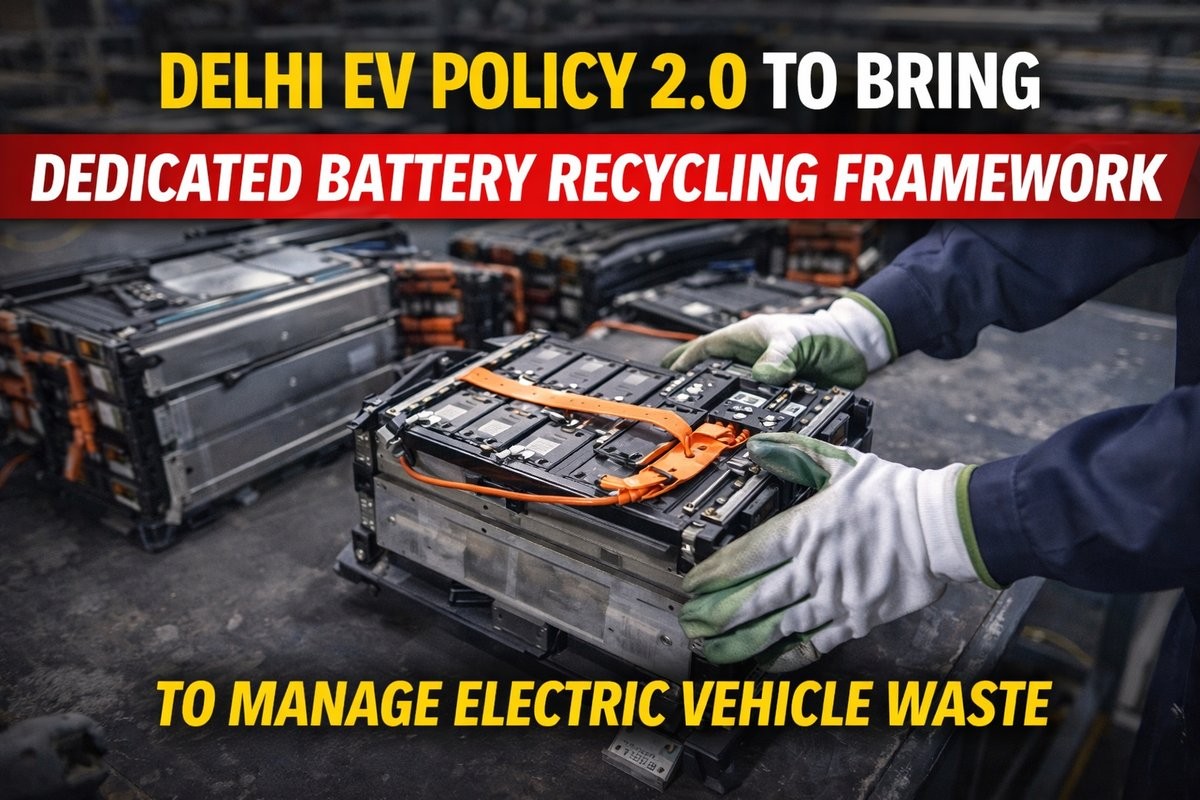
nThe Delhi government is preparing to launch an updated version of its electric mobility roadmap, known as Electric Vehicle Policy 2.0, which will introduce a dedicated battery recycling framework for electric vehicles (EVs). The move aims to address the growing challenge of EV battery waste as the number of electric vehicles on Delhi’s roads continues to rise rapidly.n
nn
nUnder the proposed system, the Delhi Pollution Control Committee (DPCC) is expected to act as the nodal agency responsible for overseeing the collection, recycling and safe disposal of EV batteries across the capital. The initiative is intended to ensure that the environmental benefits of electric mobility are not offset by improper battery disposal. According to reports, the framework will be one of the key pillars of Delhi’s new EV policy.n
nn
nAs electric vehicles become more common in urban areas, managing end-of-life batteries has emerged as a major concern for governments around the world. Lithium-ion batteries contain valuable materials such as lithium, cobalt and nickel, but they also pose environmental risks if they are not handled and recycled properly.n
nn
Rising EV Adoption in Delhi
nn
nDelhi has been one of the leading cities in India when it comes to adopting electric vehicles. The capital launched its first comprehensive EV policy in 2020 with the goal of reducing air pollution and promoting cleaner transportation. The policy offered financial incentives, subsidies and infrastructure support to encourage citizens to switch from petrol and diesel vehicles to electric alternatives.n
nn
nSince the launch of the original EV policy, the number of electric two-wheelers, three-wheelers and electric cars in the city has increased significantly. The government aims to continue this momentum through EV Policy 2.0 by expanding incentives, improving charging infrastructure and strengthening the EV ecosystem.n
nn
nAs more people adopt electric vehicles, the volume of batteries that will eventually reach the end of their lifecycle is also expected to increase. Experts warn that without a structured recycling framework, these batteries could create environmental challenges in the future.n
nn
nRecognizing this issue, Delhi’s policymakers have decided to include a comprehensive battery recycling strategy in the upcoming EV policy.n
nn
Need for a Dedicated Battery Recycling System
nn
nElectric vehicle batteries typically last between six and ten years depending on usage and charging patterns. After this period, the battery may no longer provide sufficient performance for vehicle use and must either be reused in another application or recycled.n
nn
nWithout proper recycling systems, discarded batteries could end up in landfills or informal recycling networks where they may be dismantled without adequate safety measures.n
nn
nSuch practices can lead to soil contamination, water pollution and potential safety hazards because lithium-ion batteries contain chemicals that require careful handling.n
nn
nThe upcoming EV Policy 2.0 will therefore establish a structured framework for collecting used batteries, transporting them to certified recycling facilities and recovering valuable materials through environmentally safe processes.n
nn
Role of Delhi Pollution Control Committee
nn
nThe Delhi Pollution Control Committee (DPCC) is expected to play a central role in implementing the battery recycling framework. As the city’s environmental regulatory body, the DPCC already monitors industrial emissions, waste management and environmental compliance across Delhi.n
nn
nUnder the proposed EV policy, the committee will coordinate with EV manufacturers, battery suppliers and recycling companies to ensure that used batteries are handled responsibly.n
nn
nThe DPCC may also develop guidelines for tracking battery life cycles and ensuring that manufacturers follow proper disposal and recycling practices.n
nn
nBy assigning the DPCC as the nodal agency, the government aims to create a transparent and regulated system for managing EV battery waste.n
nn
Establishing a Complete Recycling Chain
nn
nOne of the key objectives of the policy is to establish a complete recycling chain for EV batteries in the Delhi-NCR region. This chain will include battery collection centres, transportation systems, recycling facilities and material recovery units.n
nn
nOfficials have indicated that the government may encourage the creation of certified recycling and refurbishment centres that can safely process lithium-ion batteries. These facilities would be responsible for extracting reusable materials and ensuring that hazardous substances are disposed of safely. n
nn
nThe recycling chain is expected to include the following stages:n
nn
nBattery collection from EV owners and service centres.
nTransportation to authorised recycling facilities.
nDismantling and material recovery processes.
nSafe disposal of non-recyclable components.n
nn
nBy developing a structured system, Delhi aims to ensure that every EV battery is tracked from the moment it is sold until the end of its lifecycle.n
nn
Digital Tracking of EV Batteries
nn
nAnother important feature expected in the EV Policy 2.0 is the introduction of digital tracking systems for EV batteries. Digital monitoring could allow authorities to track batteries throughout their lifecycle and ensure that they are eventually sent for recycling.n
nn
nSuch systems may include digital identification numbers or electronic databases that record battery ownership, usage and disposal.n
nn
nThe goal of this system is to prevent batteries from entering informal recycling networks and to ensure that they are processed through authorised channels.n
nn
Expansion of EV Infrastructure
nn
nAlong with battery recycling, the Delhi government is also planning to expand EV charging infrastructure across the city. Adequate charging infrastructure is essential for encouraging people to adopt electric vehicles.n
nn
nThe draft EV policy proposes a major increase in the number of public charging stations as well as battery swapping facilities across Delhi.n
nn
nAuthorities are working on plans to deploy thousands of additional charging stations across residential areas, commercial zones and highways to support the growing EV fleet.n
nn
nIn addition to charging infrastructure, the government is also focusing on improving last-mile connectivity through electric mobility solutions such as electric autos and delivery vehicles.n
nn
Environmental Benefits of EV Battery Recycling
nn
nBattery recycling plays an important role in making electric mobility more sustainable. Recycling lithium-ion batteries allows valuable materials such as lithium, cobalt and nickel to be recovered and reused in the production of new batteries.n
nn
nThis reduces the need for mining raw materials, which can be both environmentally damaging and expensive.n
nn
nIn addition, recycling helps prevent hazardous materials from entering the environment.n
nn
nBy promoting battery recycling, Delhi’s EV Policy 2.0 aims to create a circular economy for EV batteries where materials are continuously reused instead of being discarded.n
nn
Job Creation and Economic Opportunities
nn
nThe development of a battery recycling ecosystem is also expected to create new economic opportunities.n
nn
nExperts believe that the EV industry could generate thousands of jobs in areas such as battery manufacturing, recycling technology, charging infrastructure installation and EV maintenance.n
nn
nTraining programmes may also be introduced to help workers develop specialised skills required for the EV sector.n
nn
nThis could support Delhi’s broader goal of building a green economy while reducing dependence on fossil fuels.n
nn
Delhi’s Vision for Clean Mobility
nn
nDelhi has long struggled with air pollution caused by vehicle emissions, industrial activity and other sources. Electric mobility has emerged as a key strategy for reducing pollution and improving air quality in the city.n
nn
nThe EV Policy 2.0 is expected to strengthen Delhi’s leadership in electric mobility by introducing stronger incentives, improved infrastructure and new environmental safeguards.n
nn
nThe policy also aligns with broader national initiatives aimed at promoting electric mobility across India.n
nn
Challenges Ahead
nn
nWhile the proposed battery recycling framework is a significant step forward, experts note that several challenges remain.n
nn
nThese include building sufficient recycling capacity, ensuring compliance among manufacturers and educating consumers about responsible battery disposal.n
nn
nThe success of the policy will depend on strong coordination between government agencies, EV manufacturers and recycling companies.n
nn
nPublic awareness campaigns may also be required to ensure that EV owners return used batteries to authorised collection centres.n
nn
Future of EV Policy in Delhi
nn
nDelhi’s EV Policy 2.0 represents the next stage in the city’s transition toward clean and sustainable transportation.n
nn
nBy combining incentives, infrastructure development and environmental safeguards, the policy aims to create a comprehensive ecosystem that supports electric mobility at scale.n
nn
nThe introduction of a dedicated battery recycling framework highlights the government’s commitment to addressing the full lifecycle impact of electric vehicles.n
nn
nAs EV adoption continues to grow, policies like these will play a crucial role in ensuring that the transition to electric mobility remains environmentally responsible.n
nn
nThe upcoming Delhi EV Policy 2.0 marks an important milestone in the capital’s clean mobility journey. By introducing a structured battery recycling framework and strengthening EV infrastructure, the government aims to ensure that electric mobility remains sustainable in the long term.n
nn
nWith the number of electric vehicles expected to increase rapidly over the coming years, effective battery recycling will become a critical part of the EV ecosystem.n
nn
nIf implemented successfully, Delhi’s approach could serve as a model for other cities in India seeking to balance rapid EV adoption with responsible environmental management.n