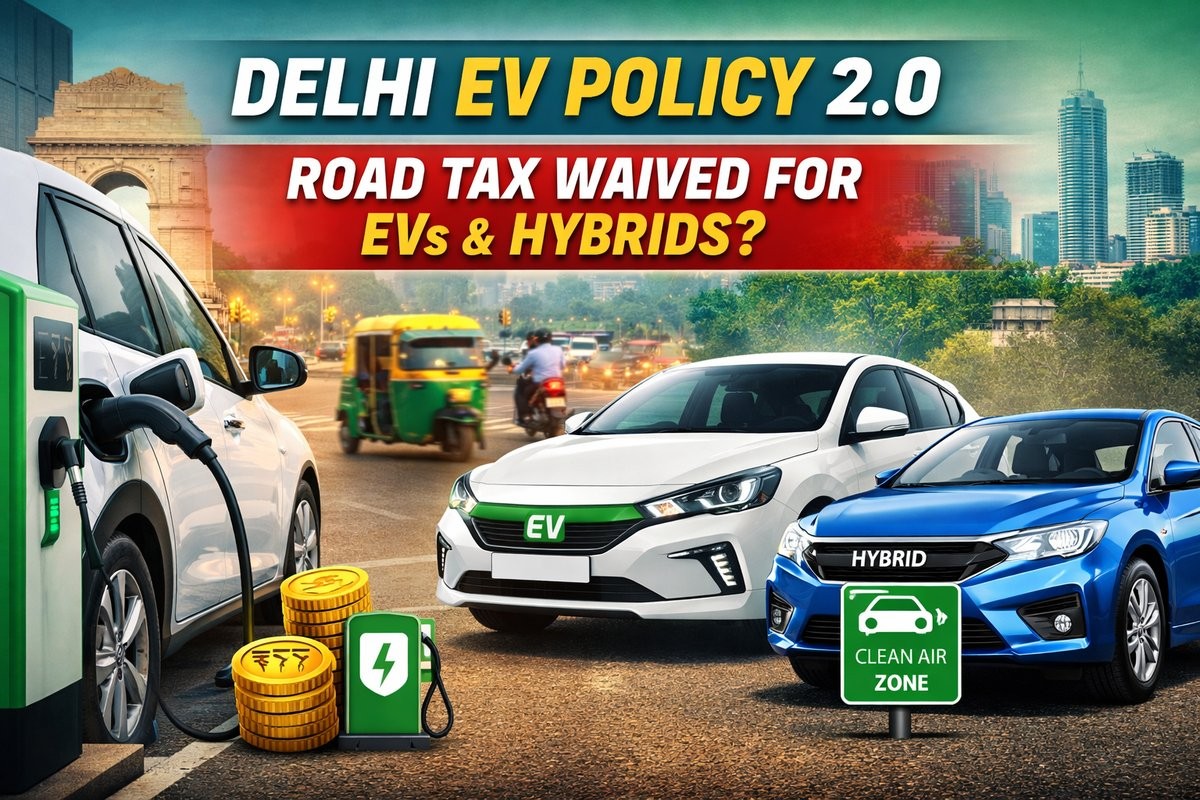
Push to Reduce Pollution
nnThe main objective of the policy is to reduce Delhi’s severe air pollution by encouraging residents to shift from conventional petrol and diesel vehicles to cleaner alternatives. Electric vehicles produce **zero tailpipe emissions**, while strong hybrid vehicles consume less fuel and emit fewer pollutants compared to traditional cars.nnDelhi Chief Minister **Rekha Gupta** recently stated that the upcoming policy will help transform the city’s transportation ecosystem and encourage greater participation from the private sector in building EV infrastructure.nn
Incentives for Women EV Buyers
nnThe government is also planning a special scheme for women residents of Delhi who want to buy electric two-wheelers. Under this proposal, eligible women with valid driving licences may receive an incentive of **₹12,000 per kWh, up to a maximum subsidy of ₹36,000**. The scheme is expected to benefit **around 10,000 women** and aims to promote cleaner and more affordable mobility options.nn
Special Electric Mobility Zones
nnAnother proposal being discussed under the new policy is the creation of **Special Mobility Zones** where only electric vehicles will be allowed to operate. These zones may be established near tourist attractions, hospitals, heritage areas, and crowded public places to reduce both air and noise pollution.nn
Benefits for Electric Goods Vehicles
nnThe government is also considering operational benefits for **electric goods vehicles**, especially light commercial vehicles such as N1 vehicles and three-wheeled LN cargo vehicles. These vehicles may receive exemptions from certain **no-entry restrictions and idle parking rules**, making it easier for electric logistics and delivery services to operate in the city.nn
Expansion of Charging and Battery Swapping Infrastructure
nnOfficials have also emphasized the need to improve EV infrastructure. The government is currently discussing plans with vehicle manufacturers and other stakeholders to expand **EV charging networks and battery swapping stations** across the city. Proper management and recycling of EV batteries is also being considered as part of the policy framework.nn
Existing Policy Nearing Expiry
nnDelhi’s current EV policy was launched in **August 2020** and has been extended multiple times after its original expiry in 2023. The government now plans to introduce **EV Policy 2.0** to replace the existing framework and further accelerate the adoption of electric mobility in the capital.nn
Expert Opinion
nnTransport experts have suggested that the government should also focus on improving public transport and EV charging infrastructure instead of relying mainly on vehicle subsidies. Expanding public mobility options and strengthening EV infrastructure could help reduce traffic congestion and pollution more effectively.